
Eco Movie Night: An Evening That Gave Us All Plenty to Think About
On Monday 29 December, EcoTitchfield hosted another highly successful Eco Movie Evening at the Village Hall. Guests were welcomed in a warm, festive atmosphere, helped along by a much-appreciated glass of wine kindly offered by local company Realest (https://realest.uk.com), alongside mince pies and festive cakes generously donated by supporters. With over 50 seats booked in advance and around 45 people attending on the night, it was encouraging to see such strong local interest—particularly at what is often a busy time of year.
The evening opened with a short introduction reflecting on what EcoTitchfield has achieved during its first year. From community events and practical initiatives to growing local engagement, it was a timely opportunity to take stock. The introduction also looked ahead to the year to come, reinforcing the importance of collective, practical action at a local level.
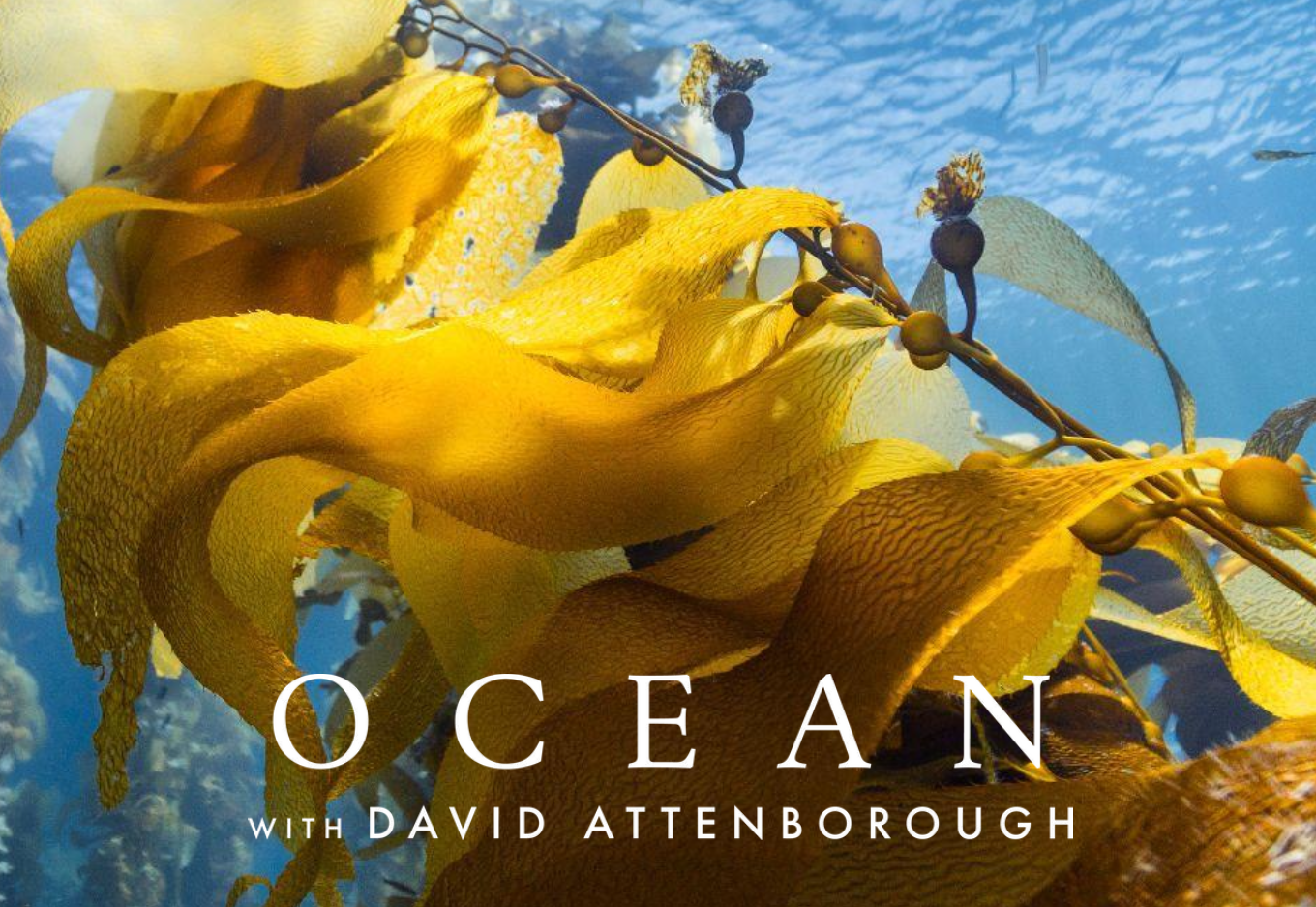
The main feature of the evening was Ocean, David Attenborough’s powerful 84-minute exploration of the state of our seas. EcoTitchfield was granted very special permission to screen this film for the local community—an honour that made the evening feel particularly personal and meaningful. Despite its length, the documentary held the room throughout; the time genuinely flew by.
What emerged most clearly was just how closely our own future is intertwined with the health of the ocean. The film gently but unmistakably reminded viewers that the sea is not a distant system, but one that underpins climate stability, food security and the natural balance on which everyday life depends. If the ocean thrives, so too does the world around us.
The film also prompted reflection on how current laws and incentives often fail to protect marine environments. Practices such as bottom trawling—shown vividly on screen—remain legal and, in some cases, actively encouraged, despite the lasting damage they cause to seabeds and marine ecosystems. This contrast between what is now understood and how systems currently operate was a powerful moment for many in the room.
Yet the overall tone was one of cautious optimism. One of the film’s most hopeful messages was how quickly oceans can recover when given space and protection. A thriving ocean benefits everyone: fisheries become more resilient, biodiversity returns, and the ocean’s vital role in climate recovery is strengthened. Conservation, livelihoods and long-term resilience are deeply connected.
That sense of relevance was heightened further by the film’s closing scenes, filmed from Old Harry Rocks, with the South Coast and the Needles on the Isle of Wight visible in the background. Seeing such familiar landscapes on screen brought the message firmly home: this is not an abstract global issue, but one that connects directly to our own coastline and local waters.
Turning reflection into practical next steps
For many who watched the film—whether at the Village Hall or elsewhere—the question that naturally follows is: “But what can I do?” The scale of the challenge can feel daunting, and it is not always obvious what meaningful action looks like at an individual level.
In response to that question, EcoTitchfield is now sharing a small number of simple, practical starting points. These are offered not as a checklist, but as options that people may find helpful, depending on their interests and circumstances.
One accessible place to begin is a short guide created to accompany the film: https://reviveourocean.org/oceanfilmtakeaction/
It focuses on everyday decisions—particularly around seafood choices, understanding supply chains, and supporting approaches that allow marine ecosystems to recover—without requiring major lifestyle changes.
For those who want to explore one of the film’s key themes in more depth, there is also a clear explanation of why bottom trawling is so damaging to seabeds and marine life, and how stronger protection could support faster ocean recovery: https://only.one/act/bottom-trawling
Another constructive step is to engage with elected representatives as international commitments move towards real-world delivery. In 2023, governments agreed the High Seas Treaty (formally the Biodiversity Beyond National Jurisdiction – BBNJ Agreement), a landmark global framework intended to improve protection of ocean areas beyond national borders.
As this treaty progresses from agreement into implementation, national governments will play an important role in shaping how it is supported, resourced and applied in practice. Writing a short, respectful message to our local MP Paul Holmes to ask for his support for the effective implementation of the High Seas Treaty helps reinforce that ocean protection is an issue of public interest, not just international diplomacy.
Messages do not need to be technical or political. Simply expressing support for strong ocean protection, concern about destructive practices highlighted in the film, and interest in how the UK will contribute to implementing the BBNJ Agreement is enough to make that support visible.
Taken together, these steps reflect a broader truth the film made clear: progress does not depend on a small number of people doing everything perfectly, but on many people taking thoughtful, achievable steps in the same direction. By sharing these points, EcoTitchfield hopes to help bridge the gap between awareness and action—at a pace that feels realistic and sustainable.
Thank you to everyone who attended, supported the evening, or contributed refreshments. EcoTitchfield looks forward to building on this shared understanding in the year ahead.
small steps, big changes
Recent Posts
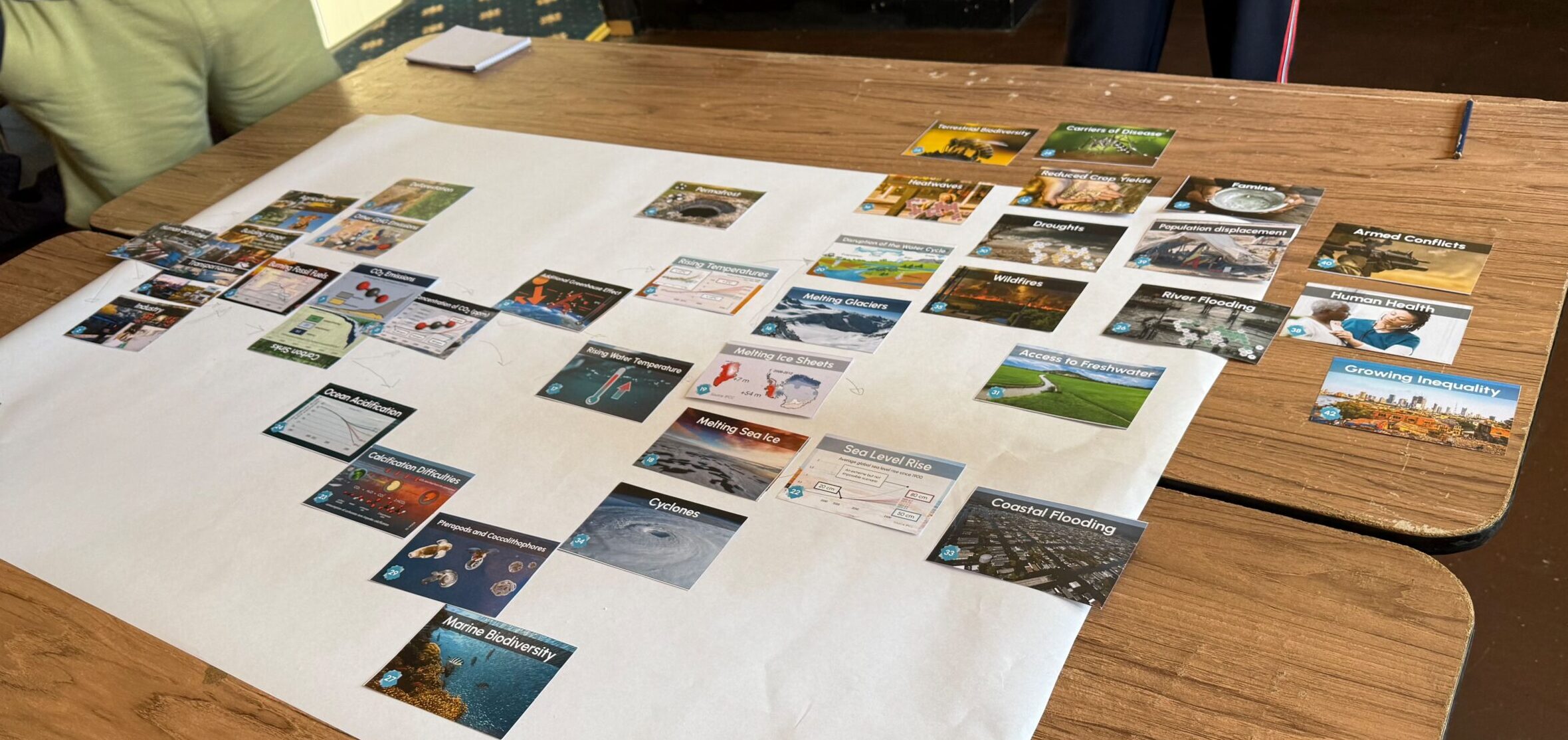
Six People. One Table. A Clearer View of Climate Reality.
On February 28th, six local residents gathered around a table for something deceptively simple: a [...]
Eco Movie Night – Ocean by David Attenborough
Eco Movie Night: An Evening That Gave Us All Plenty to Think About On Monday [...]